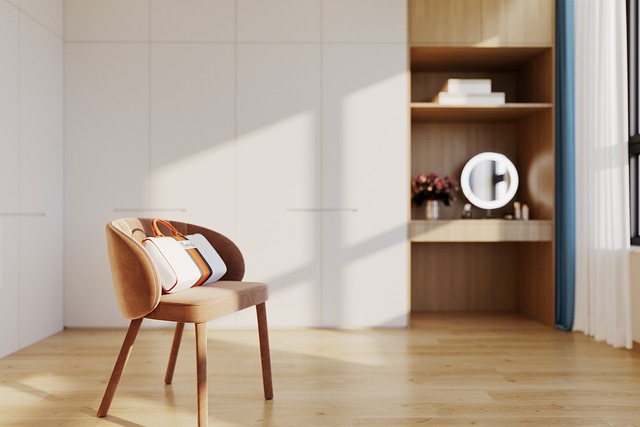
Furniture disposal Dublin services play a crucial role in managing waste and promoting sustainable practices. The local council offers scheduled collections for large items, while private companies cater to businesses' needs. Emerging trends include upcycling and recycling programs, which reduce waste and support a circular economy. Proper disposal methods, guided by local waste management services, involve evaluating items for recycling or responsible disposal based on material type. Eco-friendly choices include repurposing, reselling, and using specialized companies that partner with charities. Understanding Irish regulations and local resources is vital for effective and sustainable furniture disposal Dublin practices.
Furniture disposal Dublin is a significant concern for both residents and businesses, with the constant need to refresh spaces leading to an extensive array of waste. The challenge lies in managing this disposal efficiently, ensuring environmental responsibility while minimizing cost. No job is too big or small when it comes to furniture disposal—from apartment clearances to office relocations, effective solutions are essential. This article provides a comprehensive guide, offering expert insights into navigating the landscape of furniture disposal Dublin, and presents innovative strategies that deliver both sustainability and affordability.
- Understanding Furniture Disposal Dublin Services
- Assessing Your Furniture for Recycling or Disposal
- Choosing Eco-Friendly Methods in Dublin
- Efficient Storage Solutions Before Disposing
- Legal and Safety Guidelines for Disposal in Ireland
- Local Resources and Tips for Affordable Furniture Disposal
Understanding Furniture Disposal Dublin Services

Furniture disposal Dublin services play a crucial role in managing waste and promoting sustainable practices within the city. Whether it’s a small apartment decluttering or a large-scale renovation project, residents and businesses alike often require efficient solutions for furniture removal. Dublin, with its vibrant and bustling nature, generates significant amounts of waste, making responsible disposal methods essential. Understanding the options available for furniture disposal in Dublin is the first step towards minimizing environmental impact.
The city offers various services catering to different needs, from bulky item collection programs to specialized recycling initiatives. For instance, the local council provides scheduled collections for large household items, ensuring residents can dispose of old furniture responsibly. These services are designed to handle a wide range of materials, including wood, metal, and certain types of plastics commonly found in furniture. Additionally, private waste management companies offer tailored solutions, especially for businesses looking to offload office furniture or accommodate renovation projects.
One innovative approach gaining traction is the integration of upcycling and recycling programs into furniture disposal Dublin services. This strategy not only reduces waste but also promotes a circular economy by repurposing materials. Local initiatives focus on salvaging usable furniture for donation to charities or refurbishing it for resale, giving old pieces new life. Furthermore, data from recent studies indicates that proper recycling and reuse of furniture can significantly decrease the carbon footprint associated with manufacturing new items, making these practices increasingly valuable in Dublin’s waste management strategy.
Assessing Your Furniture for Recycling or Disposal
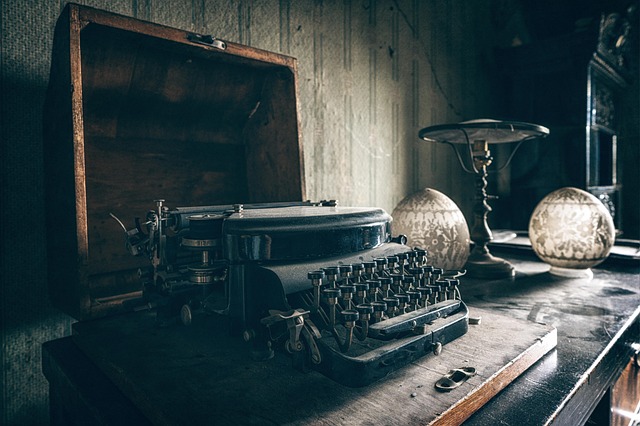
When considering furniture disposal Dublin, assessing your items for recycling or responsible disposal is a crucial step. In a city as vibrant and bustling as Dublin, where folks prioritize sustainability, this initial evaluation can make a significant impact on both your environment and community. Every piece of furniture, whether it’s a vintage couch or a modern dining set, has the potential to find new life through recycling or upcycling.
The first task involves examining each item’s condition and material composition. For instance, wooden furniture in good repair can often be donated to charities or upcycled into new creations. Metal frames and components are highly recyclable, ensuring these materials don’t end up in landfills. Similarly, fabric-upholstered pieces might be suitable for fabric recycling programs if they’re beyond repair. In Dublin, there are dedicated facilities and initiatives that accept furniture donations and ensure responsible disposal, maximizing the circular economy potential.
For items not suitable for reuse or recycling, expert advice recommends consulting local waste management services in Dublin. They can provide guidance on proper disposal methods, including special collections for hazardous materials. By following these steps, residents contribute to a sustainable future, ensuring that furniture disposal Dublin becomes an eco-conscious process rather than a mere task. This approach not only reduces environmental impact but also fosters a positive change in the city’s waste management landscape.
Choosing Eco-Friendly Methods in Dublin

When it comes to furniture disposal Dublin, opting for eco-friendly methods is not just a trend but a responsible choice. With a growing awareness of environmental impact, individuals and businesses alike are seeking sustainable solutions. Furniture disposal in Dublin naturally involves strategies that reduce waste, minimize harm to nature, and promote recycling or repurposing. This approach is particularly significant given the city’s dense population and limited land resources.
One effective method is through local recycling programs. Many areas in Dublin offer collection points for old furniture, ensuring it doesn’t end up in landfills. For instance, the Dublin City Council operates several recycling centers where residents can drop off unwanted items, including furniture. These facilities employ specialized machinery to process materials efficiently. Data from recent studies indicates that proper recycling of furniture components like wood and metal can save significant amounts of energy compared to manufacturing new products from raw materials.
Additionally, there are specialized companies in Dublin dedicated to eco-friendly furniture disposal. They offer services ranging from pickup and transportation to responsible recycling or donation. For example, some businesses partner with charities to refurbish and redistribute used furniture, giving it a second life. This not only reduces waste but also supports local communities. It’s crucial for residents to research and choose reputable firms committed to sustainable practices, ensuring their furniture is disposed of in an environmentally friendly manner.
Efficient Storage Solutions Before Disposing

Efficient storage is a key component of successful furniture disposal Dublin services. Before discarding any piece of furniture, it’s crucial to assess its potential for repurposing or resale, which can significantly reduce waste and contribute to a more sustainable environment. According to a study by the Environmental Protection Agency (EPA), proper furniture disposal strategies can cut down landfill contributions by up to 50%. By adopting efficient storage solutions, individuals and businesses in Dublin can optimize space, extend furniture lifespans, and minimize environmental impact.
One practical approach involves decluttering and categorizing items based on their condition and utility. Gently used furniture often retains substantial value and market demand. Local thrift stores, charity shops, and online marketplaces provide channels for reselling these items, thereby delaying their entry into landfills. For example, a recent survey by the Irish Times revealed that over 70% of Dubliners support second-hand shopping, underscoring the potential for responsible furniture disposal through resale. Efficient storage involves keeping frequently used or seasonal items readily accessible while relegating less essential pieces to designated storage areas.
Moreover, innovative storage techniques can transform unused spaces into functional assets. Vertical storage solutions, such as shelves and compact units, maximize vertical real estate in small apartments or offices. Similarly, under-bed containers and spacious closets can accommodate off-season clothing and accessories, freeing up living spaces. These strategies not only facilitate efficient furniture disposal Dublin but also enhance overall home organization and productivity. By integrating these practices, individuals and businesses can contribute to a greener environment while enjoying streamlined living and working spaces.
Legal and Safety Guidelines for Disposal in Ireland

In Dublin, whether you’re a homeowner clearing out a room or a business closing its doors, furniture disposal can be a significant task. It’s crucial to understand the legal and safety guidelines for furniture disposal in Ireland to ensure compliance and minimize environmental impact. The Republic of Ireland has strict regulations governing waste management, including furniture, to protect public health and conserve resources. For instance, the Waste Management (General) Regulations 2015 sets out detailed rules on the treatment of various types of waste, including those from household and commercial sources.
When it comes to furniture disposal Dublin, it’s essential to differentiate between different categories, such as reusable, recyclable, or hazardous materials. Reusable items can often be donated to charities or community groups, while recyclables like wooden furniture and certain plastics can be taken to local recycling centers. However, items containing harmful substances like old mattresses or furniture with asbestos-based materials require specialized handling. These must not be disposed of in regular waste streams to prevent contamination and risks to public health. For example, the Environmental Protection Agency (EPA) provides guidelines on safe disposal methods for various hazardous materials, including advice tailored for furniture disposal Dublin residents encounter frequently.
Proper disposal practices not only ensure compliance with Irish law but also contribute to a circular economy by maximizing resource recovery. Landfills remain a significant environmental concern, as they can emit greenhouse gases and pollute soil and water sources over time. Therefore, responsible furniture disposal in Dublin involves considering multiple options, from local recycling facilities to specialized waste management companies that cater to various types of waste, including bulky items like furniture. Engaging with reputable services ensures your furniture is handled according to legal standards, reduces environmental impact, and supports a sustainable future for all.
Local Resources and Tips for Affordable Furniture Disposal

When it comes to furniture disposal Dublin, understanding local resources is key to managing your space efficiently while staying within budget. For residents and businesses alike, the city offers a range of affordable options for every scale of project. From small-scale decluttering to large-scale renovations, there are numerous ways to handle unwanted furniture without breaking the bank.
One effective strategy involves leveraging community initiatives and recycling programs. Local non-profit organizations often accept donations of gently used furniture, which they either resell through thrift stores or distribute to those in need. These groups play a vital role in diverting waste from landfills and promoting sustainability within the city. For example, Dublin’s Community ReUse Centers offer a drop-off point for furniture and household items, allowing residents to dispose of their old pieces while supporting local efforts to reduce, reuse, and recycle.
Additionally, many businesses specializing in furniture disposal Dublin provide cost-effective solutions. These professionals are equipped to handle everything from single items to full-scale clearances. They often offer competitive pricing structures and can be particularly useful for those facing tight deadlines or limited physical capabilities. For instance, some companies offer flat rate pricing based on the volume of debris, ensuring transparency and peace of mind. By utilizing these local resources, residents and businesses can responsibly manage their furniture disposal while contributing to a more sustainable Dublin.
In navigating furniture disposal Dublin, this article has equipped readers with a comprehensive understanding of key aspects. By recognizing the importance of eco-friendly methods, assessing furniture for recycling or disposal, and utilizing local resources for affordable solutions, individuals can make informed decisions. Efficient storage prior to disposal, adherence to legal guidelines, and consideration of safety measures are essential steps in responsible furniture management. Armed with these insights, readers are now empowered to contribute positively to a cleaner, more sustainable environment through effective furniture disposal Dublin practices.
About the Author
Meet Sarah O’Connor, a certified Waste Management Specialist and the owner of Green Disposal Solutions Dublin. With over 15 years of experience, she’s an industry leader in sustainable furniture disposal practices. Sarah has been featured in local publications for her innovative approaches to waste reduction and is an active member of the Irish Green Business Network. Her expertise lies in streamlining disposal processes for both residential and commercial clients across Dublin.
Related Resources
Here are some valuable resources for an article on affordable furniture disposal in Dublin:
Dublin City Council Waste Management (Government Portal): [Offers official guidance on waste reduction and recycling initiatives within the city.] – https://www.dublincity.ie/wastemanagement/
Recycle.ie (Community Website): [Provides a comprehensive guide to recycling and rubbish collection in Dublin, including specific advice for furniture disposal.] – https://recycle.ie/
Green Door Recycling (Industry Leader): [A local company specializing in sustainable furniture repurposing and recycling solutions.] – https://greendoorrecycling.com/
The Environmental Protection Agency (EPA) (Government Agency): [Offers national guidelines on waste management, including information on hazardous material disposal.] – https://www.epa.ie/
University College Dublin (UCD) Sustainable Living Centre (Academic Institution): [Promotes sustainable practices on campus and offers resources for the wider community.] – https://sustainableliving.ucd.ie/
Goodlife Recycling Centre (Community Facility): [A local centre providing drop-off points for recycling various materials, including furniture.] – https://www.goodliferecycling.ie/